Moni
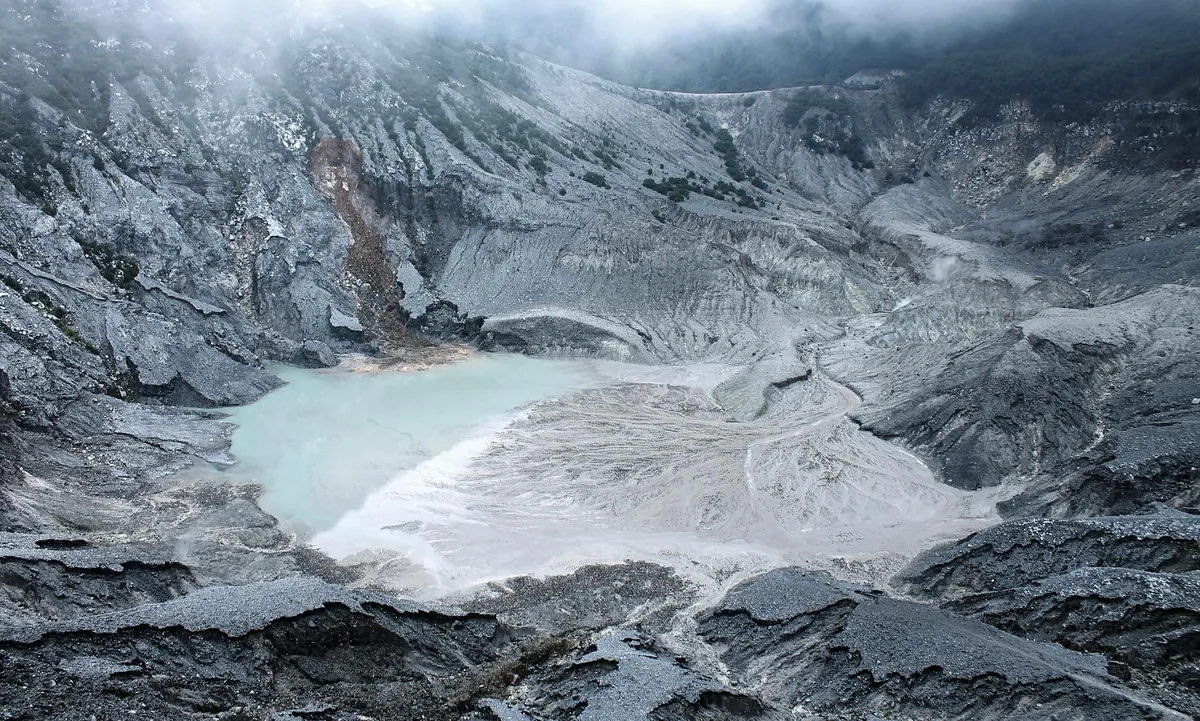
Moni is the small village used as the base for pre-dawn visits to Kelimutu volcano, whose three crater lakes change color independently due to volcanic mineral activity. The standard visit involves a 4am departure for the 13km drive to the Kelimutu car park, timed to arrive at the rim for sunrise. Moni itself is a quiet strip of guesthouses in a river valley surrounded by rice fields, with one or two nights sufficient for visiting Kelimutu.
Moni is a single main road, a handful of guesthouses, rice fields, and the knowledge that 13 kilometres up the mountain is one of the most extraordinary natural sights in Indonesia.
The village exists, essentially, to support Kelimutu visits. But it’s more pleasant than that sounds, cool, quiet, surrounded by working rice fields and small waterfalls, with the smoke of local fires drifting over tin-roofed warungs in the early morning.
How Do You Get to Kelimutu from Moni?
Getting the timing right is everything. The colored crater lakes are best seen at sunrise, before the mist rises and obscures the colors. Here’s the standard schedule:
Night before:
- Arrange your ojek with the guesthouse owner. Confirm pick-up time based on current sunrise.
- Ask about cloud conditions, locals know the patterns.
- Eat dinner early and sleep early.
Pre-dawn morning:
- Wake at 4:00–4:30 AM. Coffee from guesthouse if arranged.
- Ojek departs by 4:45–5:00 AM (earlier in the wet season when dawn comes later).
- 30-minute ride up the mountain road to the park gate and viewpoint car park.
- Walk 10 minutes from car park to viewpoint.
- Watch the colors emerge as light hits the lakes.
- Return for breakfast (most guesthouses serve around 7 AM).
Cost: Ojek IDR 40,000–60,000 return. Kelimutu entrance fee IDR 30,000 (one of the best-value park entries in Indonesia).
The Moni Waterfall
Fifteen minutes’ walk south of the main road is Air Terjun Moni, a two-tiered waterfall that drops into a swimming hole. In the wet season (December–April) it’s powerful and photogenic. In the dry season it shrinks but is still refreshing. Entry: free or small donation. Locals swim here; you can too.
The Saturday Market
If your timing allows, Moni’s weekly market (Saturday, or sometimes Friday evening) is a genuine local gathering, not a tourist market. Villagers from the surrounding hills bring ikat weavings, produce, and livestock. It’s worth setting your schedule around.
Where Do You Eat in Moni?
Options are limited but food is satisfying. Most guesthouses serve rice, noodles, eggs, and basic Indonesian dishes. Warung Bu Yos and Café Hidayah on the main road are reliable. Expect to pay IDR 20,000–40,000 per meal. Vegetarian options are available everywhere. Alcohol is scarce, buy in Ende if needed.
What Else Can You Do on a Second Day in Moni?
If you spend two nights (and you should), the second day has more to offer than you might expect:
Cycling the valley: Several guesthouses rent bicycles for IDR 30,000-50,000/day. The valley road east and west of Moni passes rice fields, small hamlets, and agricultural land with views of the surrounding hills. The road is flat close to the village and quiet.
Wolowaru village: 15 km east of Moni, a traditional Lio village with clan houses and ikat weavers. Accessible by ojek (IDR 20,000 one-way). The textile quality here is good and prices are lower than in Ende or Maumere.
Detusoko: A village 20 km west on the road to Ende, known for traditional weaving and coffee cultivation at altitude. A half-day car trip from Moni.
Coffee at altitude: Moni sits at around 500 m in the Lio highlands and the surrounding area grows Arabica coffee. Some guesthouses serve locally sourced coffee worth paying attention to.
Cooking at your guesthouse: Several Moni guesthouses offer informal cooking sessions where owners show you how to prepare local Lio food. Jagung bose (maize porridge with beans) is the staple. Ask at check-in.
What Are the Practical Things to Know About Moni?
Money: Moni has no ATMs. Withdraw cash in Ende before heading east. IDR is the only payment option.
Mobile signal: Telkomsel works in the village; other carriers are unreliable.
Medical: No clinic in Moni. Nearest hospital is in Ende. If someone in your group has a medical issue, that’s your only option.
Weather: Even in the dry season (May-October), mornings at Kelimutu are cool, 12-18°C at the summit before sunrise. Afternoons in Moni can be warm (25-28°C). Pack for both.
Guesthouse curfews: Some Moni guesthouses informally expect guests in by 9-10 PM. Not a rule, but village life winds down early.
From Moni Onward
East to Maumere (96 km, 2.5 hours), continuing the Trans-Flores Highway. Morning buses depart from the main road junction in Moni, or arrange a private car through your guesthouse for IDR 200,000-300,000.
West to Ende (50 km, 1.5 hours) for the airport or bus connections. Same logistics, buses in the morning.
Kelimutu crater lakes guide → Ende travel guide → Maumere travel guide →
Frequently asked questions
What is Moni?
Moni is a small village of about 3,000 people on the eastern slopes of Flores, serving as the base camp for visiting Kelimutu National Park. It sits in a narrow valley surrounded by rice fields and small waterfalls. Most visitors stay 1–2 nights: arrive in the afternoon, trek to Kelimutu at dawn, and leave after breakfast.
How do I get to Moni?
From Ende (50 km west): bus or shared transport departs Ende's Terminal Wolowona in the morning (IDR 30,000–50,000, ~1.5 hours). From Maumere (96 km east): bus or car, 2.5 hours. Private car hire from Ende is IDR 250,000–350,000 and lets you set your own schedule. There is no direct public transport from Labuan Bajo, travel via Ende.
What time should I leave Moni for Kelimutu sunrise?
Aim to reach the viewpoint by 30 minutes before official sunrise. The drive from Moni takes 30 minutes (13 km of winding mountain road). In the dry season (May–October), sunrise is around 5:30–6:00 AM, depart Moni by 4:45 AM. In the wet season, exact timing varies and cloud cover is more likely to obscure the view. Hire a ojek the night before and confirm pick-up time.
How do I get from Moni to Kelimutu?
Three options: (1) Ojek, hire one from your guesthouse for IDR 40,000–60,000 return, negotiate the night before. (2) Government truck, a free or cheap truck departs from the main Moni road around 4:30 AM for IDR 20,000 one-way; ask locals for current timing. (3) Walk, it's 13 km uphill (2.5+ hours) in the dark, not recommended. Most people take an ojek.
What else is there to do in Moni besides Kelimutu?
The Moni waterfall (Air Terjun Moni) is a 20-minute walk from the village, worth an hour, especially in the wet season. The weekly traditional market (usually Saturday morning) brings villagers from surrounding hills selling ikat textiles, produce, and livestock. The surrounding rice fields are pleasant for morning walks. Several guesthouses rent bicycles.
Where should I stay in Moni?
Moni has a dozen guesthouses along the main road. Arwanty Homestay and Daniel's Homestay are consistently recommended for friendly service and reliable Kelimutu breakfast scheduling. Prices range IDR 150,000–300,000/night. Most include breakfast. Book ahead in July–September peak season when rooms fill up.
Is Moni worth more than one night?
One night is the minimum; two nights is ideal if you want to explore beyond Kelimutu. The second day can include the waterfall, market (if timing aligns), cycling in the valley, or a gentle hike to nearby Wolowaru village. Moni is genuinely pleasant, cool evenings, quiet, local warung food.